Historic $1.5 Trillion Defense Budget Request: Implications and
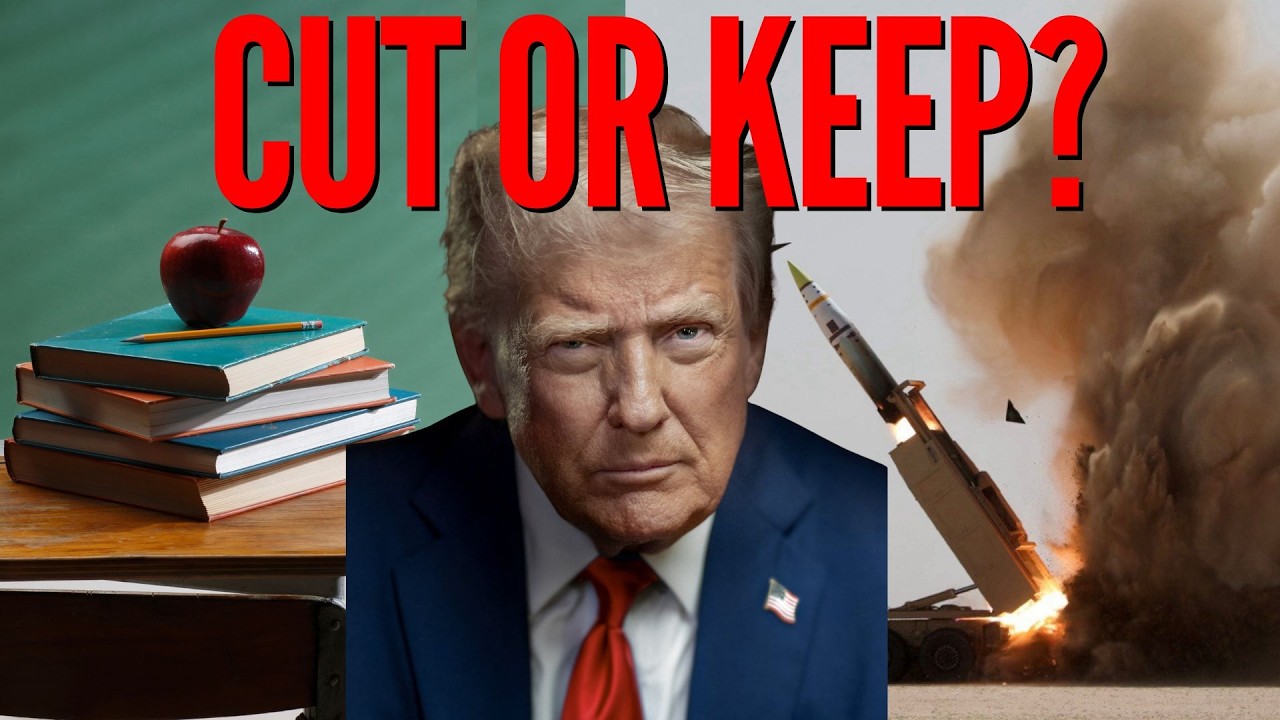
The White House has announced its intention to request **$1.5 trillion** for defense in **2027**, marking the highest level in modern history. This move is expe
Summary
The White House has announced its intention to request **$1.5 trillion** for defense in **2027**, marking the highest level in modern history. This move is expected to have significant implications for **US national security**, **fiscal policy**, and **global relations**. The request will be submitted to **Congress** for approval, where it is likely to face scrutiny and debate. The budget increase is reportedly driven by concerns over **China's military expansion**, **Russia's aggression**, and **terrorism**. As the request makes its way through Congress, stakeholders are weighing the potential benefits of increased defense spending against concerns over **budget deficits** and **opportunity costs**. For more context, see [[us-military|US Military]], [[defense-spending|Defense Spending]], and [[national-security|National Security]].
Key Takeaways
- The White House has requested $1.5 trillion for defense in 2027, the highest level in modern history
- The budget request is driven by concerns over emerging threats and the need to maintain US military superiority
- The request is likely to face scrutiny and debate in Congress, with concerns over fiscal responsibility and opportunity costs
- The budget request has significant implications for US national security, fiscal policy, and global relations
- The effectiveness of the spending is uncertain and dependent on various factors
Balanced Perspective
A more nuanced view recognizes that the defense budget request is a complex issue with **multiple factors** at play. While **national security** is a critical concern, it is also important to consider the **fiscal implications** of increased defense spending and the potential **opportunity costs**. This perspective acknowledges that the budget request will require careful consideration and **balancing of competing priorities**. For a deeper dive, explore [[federal-budget|Federal Budget]] and [[us-economy|US Economy]].
Optimistic View
Proponents of the increased defense budget argue that it is necessary to **counter emerging threats**, **modernize the military**, and **safeguard US interests**. They point to the growing military capabilities of **China** and **Russia**, and the need for the US to maintain its **military edge**. This perspective is supported by **defense hawks** who believe that a strong military is essential for **US national security**. See [[china-us-relations|China-US Relations]] and [[russia-us-relations|Russia-US Relations]] for more on these complex relationships.
Critical View
Critics of the defense budget request argue that it is **excessive**, **inefficient**, and **misaligned with US priorities**. They point to the **already high levels of defense spending**, the **ineffective use of funds** in certain areas, and the **neglect of pressing domestic issues**. This perspective is supported by **doves** who believe that the funds could be better spent on **education**, **healthcare**, and **infrastructure**. Learn more about these concerns through [[military-spending|Military Spending]] and [[us-domestic-policy|US Domestic Policy]].
Source
Originally reported by Facebook