
Summary
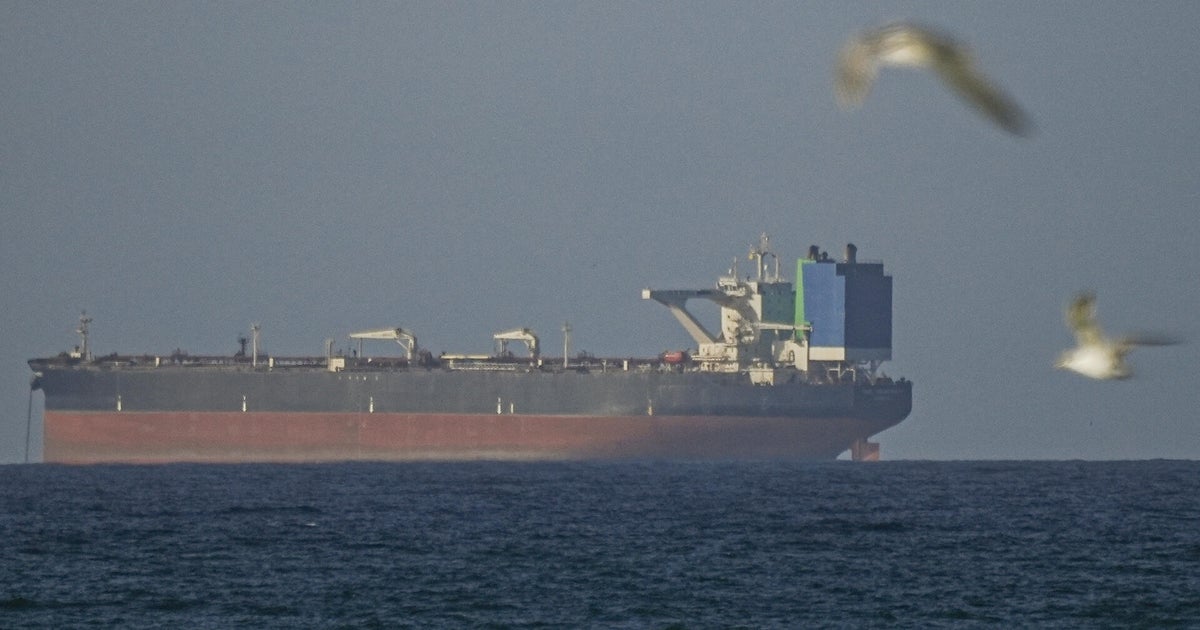
The situation in the Middle East has taken a turn for the worse, with **Iran** closing the **Strait of Hormuz** and a French soldier being killed in an ambush in **Lebanon**, blamed on **Hezbollah**. The incident has sparked condemnation from **France** and **Saudi Arabia**, with **UN Secretary-General Antonio Guterres** calling for an investigation. Meanwhile, **US President Donald Trump** has reported having 'very good conversations' with **Tehran**, despite the escalating tensions. The conflict has already claimed the lives of two French soldiers, including **Staff Sgt. Florian Montorio**, who died in the recent ambush. The **Strait of Hormuz** is a critical waterway, with **Iran**'s control over it raising concerns about global oil supplies. For more on the **Iran-Israel conflict**, see [[iran-israel-conflict|Iran-Israel Conflict]]. The role of **Hezbollah** in the region is also crucial, as explained in [[hezbollah|Hezbollah]]. The **United Nations** is playing a key role in maintaining peace in the region, as discussed in [[united-nations|United Nations]].
Key Takeaways
- The situation in the Middle East is complex and multifaceted, with many different players and interests involved.
- The Strait of Hormuz is a critical waterway, and Iran's control over it raises concerns about global oil supplies.
- The US and Iran are having 'very good conversations', but the situation remains volatile.
- The international community is calling for calm and restraint, but there are many different perspectives on the best way to resolve the conflict.
- The conflict has significant implications for the global economy and oil market.
Balanced Perspective
The situation in the **Middle East** is complex and multifaceted, with many different players and interests involved. The **US**, **Iran**, **Israel**, and **Lebanon** are all key actors in the conflict, and each has its own goals and motivations. The **Strait of Hormuz** is a critical waterway, and **Iran**'s control over it raises concerns about global oil supplies. The **international community** is watching the situation closely, and there are many different perspectives on the best way to resolve the conflict. For more on the **global implications**, see [[global-implications|Global Implications]]. The **history of the region** is also important to understand, as it provides context for the current tensions, as explained in [[middle-east-history|Middle East History]].
Optimistic View
Despite the current tensions, **Trump**'s reported 'very good conversations' with **Tehran** offer a glimmer of hope for a peaceful resolution. The **US** and **Iran** have a long history of conflict, but there have been moments of cooperation in the past, as seen in [[us-iran-relations|US-Iran Relations]]. The **international community** is coming together to call for calm and restraint, which could help to reduce the risk of further escalation. The **United Nations** is playing a key role in maintaining peace in the region, and their efforts should be supported. For more on the **role of the UN**, see [[united-nations|United Nations]].
Critical View
The current tensions in the **Middle East** are a sign of a much deeper and more complex problem. The **US** and **Iran** have a long history of conflict, and the **Strait of Hormuz** is a critical waterway that could be used as a bargaining chip. The **international community** is calling for calm and restraint, but the situation remains volatile. The **oil market** is closely watching the situation, and a disruption in the **Strait of Hormuz** could have significant consequences for global oil prices. For more on the **oil market**, see [[oil-market|Oil Market]]. The **global economy** could also be affected, as explained in [[global-economy|Global Economy]].
Source
Originally reported by CBS News